
VERTICAL PANEL SAW MACHINE
 Download Catalog
-
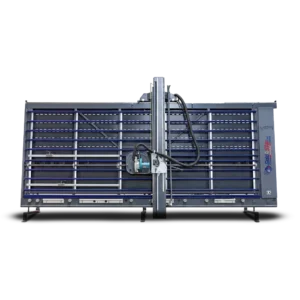
Vertical Panel Saw Machine – GS 4000 ECO-VERT
$11,725.00-
-
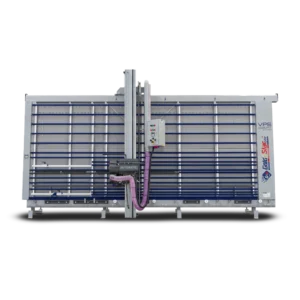
Semi-Automatic Vertical Panel Saw Machine
Price range: $34,300.00 through $46,426.00-
-
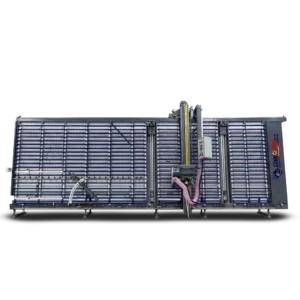
Vertical Panel Saw – GS LUXURY WITH CLAMPS
Price range: $38,800.00 through $42,800.00-
-
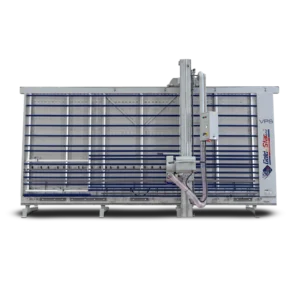
Vertical Panel Saw – GS CLASSIC
Price range: $18,750.00 through $31,850.00-
-
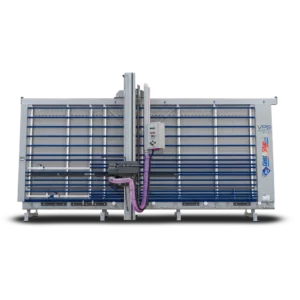
Vertical Panel Saw – GS LUXURY
Price range: $24,550.00 through $39,725.00-
What do Vertical Panel Saws do?
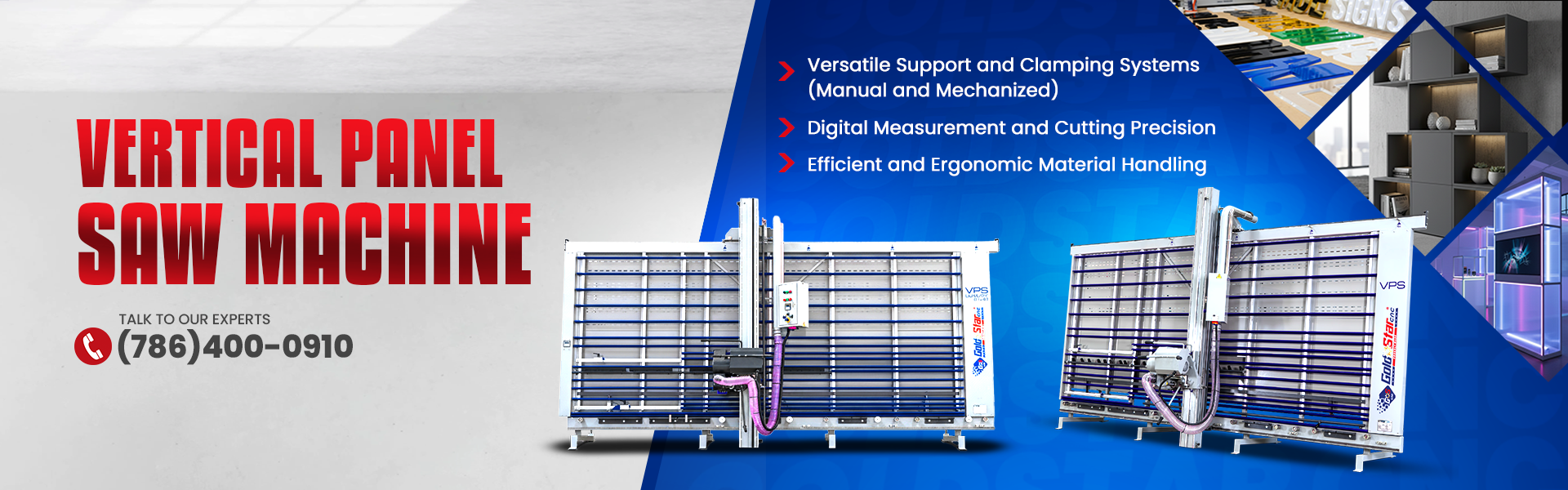
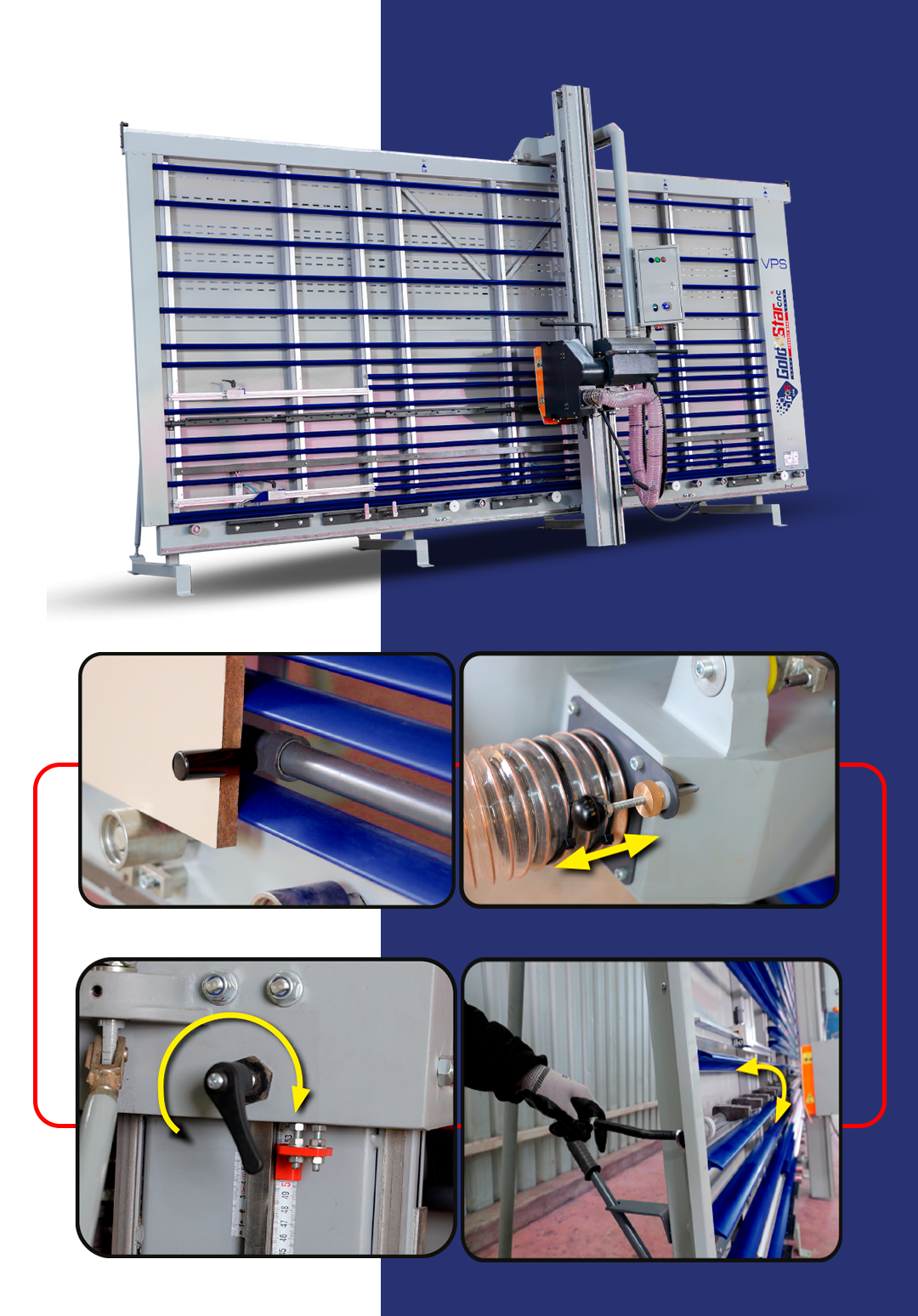
Vertical Panel Saws are specialized woodworking machines designed to cut large sheets of material, such as wood, composite, or plastic panels, with high precision and efficiency. The primary objective of these machines, like the Classic and Economic Series, is to unleash superior precision and efficiency in the cutting process
How is vertical panel cutting performed?
The cutting process begins by loading the panel onto the machine, typically assisted by a pneumatic movable roller system that allows the material to slide smoothly into position when the foot pedal is activated. The operator then positions the panel using manual or automatic support profiles, depending on the model. If the saw blade aligns with a plastic support profile, the profile must be adjusted upward or downward to prevent damage.
Once positioned, the panel is secured. For horizontal cuts, the horizontal lock is engaged to stabilize the cutting unit. For vertical cuts, the vertical lock secures the mechanism from above and below. A compression handle is used to press the panel firmly against the measuring system, minimizing tolerance and preventing material movement during cutting.
What are the electrical and speed specifications of Vertical Panel Saws?
Electrical and speed specifications vary by series and configuration.
-
Classic, Semi-Automatic, and Luxury Series typically operate on 380V / 50Hz / 3-Phase power.
-
Economic Series machines commonly use 220V / 50Hz / 3-Phase power.
Motor speed is generally 3000 rpm, driving the main saw blade at up to 6000 rpm (or up to 5300 rpm on Economic models). Models equipped with a scoring blade operate the scoring saw at approximately 8000 rpm. Standard cutting depth is 1.65 inches (42 mm), with optional configurations available up to 2.36 inches (60 mm). Custom voltages may be available upon request.
What are the main advantages and limitations of Vertical Panel Saws?
Advantages:
-
Space efficiency: Vertical design significantly reduces floor space requirements.
-
High precision: Hardened steel linear rails and stable locking systems ensure consistent accuracy.
-
Single-operator handling: Features such as material loading cars and pneumatic roller systems reduce labor requirements.
-
Production flexibility: Middle shelves and adjustable stops allow both small-part cutting and repetitive production work.
-
Measurement accuracy: Optional digital readout systems provide precise measurements up to five digits.
Limitations:
-
Regular maintenance required: Plastic profiles, measuring components, and magnetic tapes must be cleaned daily to maintain accuracy.
-
Operational constraints: When the middle shelf is in use, horizontal cutting cannot be performed.
-
Manual adjustments: Some setup elements require manual positioning depending on material thickness and cut type.
-
Sensitive components: Pneumatic pedals and digital readouts must be handled carefully and kept clean to avoid errors.
More FAQs about Vertical Panel Saw Machines
What panel sizes and thicknesses can these machines handle?
Vertical Panel Saws are designed to handle large panels with ease. Standard cutting depth is 1.65 inches (42 mm), with optional upgrades available up to 2.36 inches (60 mm). Cutting length and height vary by model, with available configurations reaching up to 236 inches (6000 mm) in length and 98 inches (2500 mm) in height. The casing sheet can be manually adjusted forward or backward to accommodate different material thicknesses.
Are Vertical Panel Saws suitable for mass production?
Yes. Models such as the Classic, Semi-Automatic, and Luxury Series are well suited for mass production. These machines can be equipped with standard horizontal cutting pistons that allow up to three preset dimensions for repetitive cutting tasks. Combined with material loading systems, this enables efficient, repeatable production with minimal operator effort.
How do I maintain a Vertical Panel Saw?
Daily maintenance is essential for accuracy and longevity. Operators should clean the plastic support profiles and cutting areas after each workday. Digital readout components, including magnetic tapes and measuring points, should be cleaned daily using compressed air. The pneumatic pedal and roller system area should be cleaned periodically (approximately every 20 days) to ensure smooth operation.
Can Vertical Panel Saws cut small parts?
Yes. These machines are equipped with a middle shelf designed specifically for cutting small parts in the vertical position. When the middle shelf is engaged, only vertical cutting is permitted; horizontal cutting should not be performed in this configuration.
Is the operation manual or automated?
Vertical Panel Saws combine powered cutting with controlled setup. While the saw motor and pneumatic roller systems are powered, certain functions—such as locking mechanisms, support profile adjustments, and casing positioning—may be manual or pneumatic depending on the series. Higher-end models incorporate additional automated and pneumatic features to increase speed and ease of use.
Do Vertical Panel Saws require calibration?
Yes. Accurate measurement depends on proper setup and calibration. Machines equipped with a digital readout allow precise positioning and repeatability. If measurement irregularities occur, users should contact the supplier for technical support. Proper use of the compression handle is also essential to prevent material movement and tolerance issues during cutting.